Preparing for Your Journey
What you pack, what you leave behind, and what you know in advance — all of this will affect how easily you adapt in the first days.
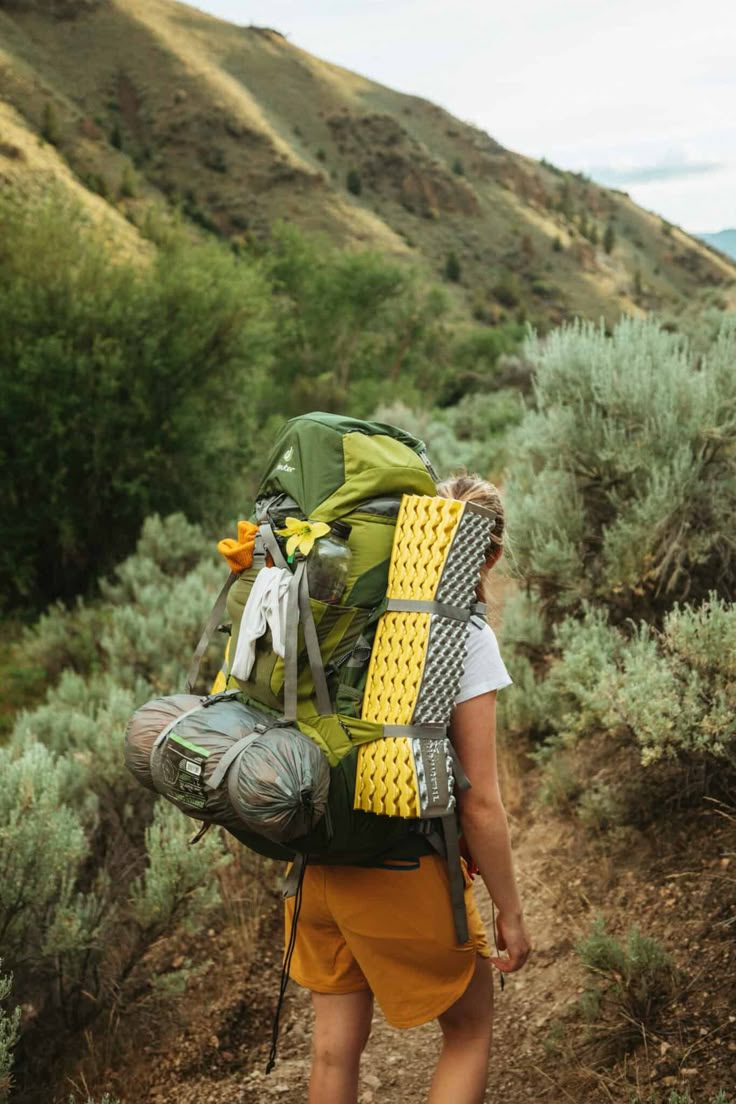
✅ What to Pack
These are the most important items to bring with you:
● Passport (and printed/digital copies)
● Visa or official job invitation
● Migration card (if already issued)
● At least $300 in cash (rubles can be exchanged later)
● Warm clothes — especially between October and March
● Mobile phone with charger and emergency contacts saved
● Prescription medications in original packaging
● Optional: a small bag of rice, tea, or spices to feel at home in the first days
📌 Some familiar products (like cardamom, turmeric, masala, chili powder) may be hard to find or very expensive in Russia. Bringing a small amount from home can help you cook comfortably — and save money while you adjust.
📌 Keep your documents and money in your hand luggage, not in checked bags.
🚫 What NOT to Bring in Hand Luggage
● Liquids over 100 ml
● Sharp objects (scissors, tools, knives)
● Cash over $10,000 — must be declared
● Fresh, perishable, or refrigerated food
🛃 What to Expect at the Border
At the airport, you will pass through passport and customs control.
Here’s what usually happens:
● You will receive a migration card — don’t lose it.
● You may be asked: What is the purpose of your visit?
→ Answer clearly: “Work” or “Employment”
→ In Russian: “rabota” (rah-BOH-tah)
● Your phone may be checked — this is normal.
● Waiting time can be 1–4 hours, especially if many flights arrive at once.
● Stay calm, polite, and keep your documents ready.
● If needed, text your coordinator immediately.
⚠️ Legal Warnings You Must Know
Some foreign workers don’t realize how strict Russian law can be.
Let’s make it simple:
❗ If you break the law:
● 2 administrative violations within 1 year = risk of deportation
● 1 criminal offense (for example: drugs, theft, violence) = immediate deportation after legal process
● Some violations (e.g. being drunk in public, swearing, fighting, jaywalking) may look small — but count as administrative offenses
🔒 You are a guest — and the law applies to everyone.
Be respectful. Follow local rules. Ask if unsure.
🚫 What NOT to Do in Russia
To avoid trouble with the police or risk of deportation, you need to know what is not allowed.
Here are the main rules to follow:
❌ Don’t drink alcohol in public
You are not allowed to drink alcohol on the street, in parks, or on public transport.
→ If you do it more than once — you may be deported.
❌ Don’t smoke in the wrong places
Smoking is banned in public transport, restaurants, schools, hospitals, and playgrounds.
→ You may get a fine.
❌ Don’t touch drugs
Any drugs — using, carrying, or selling — is a criminal offense.
→ This can lead to arrest and deportation.
❌ Follow road rules
● Only cross at the green light and on the crosswalk
● Don’t run across busy roads — this is illegal
● Don’t drive without a license or drunk
→ All of these can lead to fines or even deportation
❌ Respect public order
● Don’t shout or swear in public
● Don’t damage public property
● Don’t join protests without permission
● Don’t take pictures near military, police, or airports
→ You can be detained or fined
📝 Never Sign What You Don’t Understand
If police or border officials give you papers to sign — stop.
You have the right to ask for:
● a translator
● a lawyer
● time to contact your employer or coordinator
📌 Save this phrase on your phone:
Ya ne govoryu po-russki. Pozhaluysta, predostav'te mne perevodchika i advokata.
(I do not speak Russian. Please provide me with a translator and a lawyer.)
🧠 5 Ways to Feel More Confident When You Arrive
● Keep all your documents in one folder so they’re easy to access and won’t get lost.
● It’s also a good idea to make digital copies and store them on your phone, just in case.
● Greet people politely — even if you're tired
● Ask questions — it’s a strength, not weakness
● Follow what locals do — observe and adapt
● Stay calm — many things feel confusing only at first
🧤 What to Expect from Russian Weather
Russia has strong seasons:
● Winter (Oct–Mar): temperatures can drop below –20°C
→ Bring a warm coat, thermal underwear, gloves, boots, hat, scarf
● Summer (June–Aug): often 25–30°C
→ Light clothing, sunscreen, sunglasses
● Rainy seasons: spring and autumn
→ Bring a compact umbrella and waterproof shoes
☑️ Clean appearance matters. Keep clothes neat and appropriate to your job.
 ×
×