Recent Posts
Welcome to Russia!
January 23, 2026
Religion
December 31, 2025
Nationality
November 28, 2025
Foreigners in Russia
November 27, 2025
Traveling to and from Russia
October 27, 2025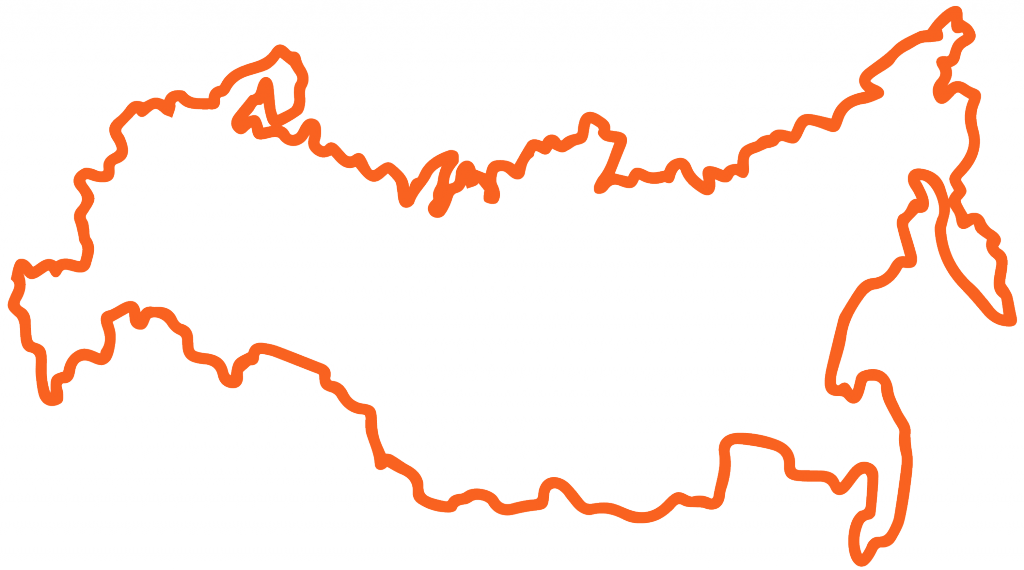
Geography
You don’t need a degree in geography to know that Russia is by far the largest country in the world (even after the demise of the USSR) and covers one eighth of the earth’s landmass. It’s a vast territory, although most people, Russians included see very little of it.
Russia spans 9 time zones, from the Kaliningrad enclave in the westernmost point, to Chukotka in the far northeast. Nevertheless, cities thousands of miles apart look remarkably similar, thanks in no small part to uniformity of buildings and urban planning. One of the reasons for this concrete ubiquity is that following the creation of the Soviet Union, many of the towns and cities we know today were little more than sleepy villages, and were changed forever with Stalin’s immense industrialization programme of the 1930s.
For ease of understanding, Russia can be broken down into three major geographical zones:
● European Russia
● Siberia
● The Far East
Since European Russia is by far the most populous area, this region itself can be divided up into five parts:
● Moscow and the surrounding area (known to tourists as The Golden Ring)
● St Petersburg and North West Russia
● The Volga Region
● The South, which includes the North Caucasus, situated inside Russia’s borders
● The Urals, which form the geographical border between Europe & Asia.
These are given more as a general guide since few can agree on exactly where one area stops and the next begins