
Recent Posts
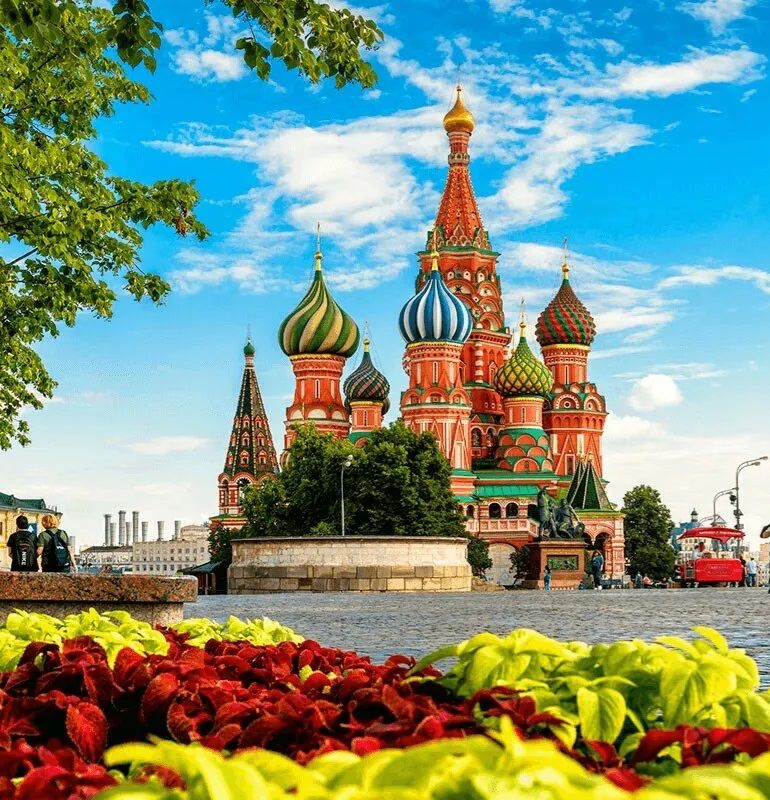
Welcome to Russia!
January 23, 2026
Geography
January 17, 2026
Religion
December 31, 2025
Nationality
November 28, 2025
Traveling to and from Russia
October 27, 2025
Foreigners in Russia
Foreigners living and working in Russia can broadly be divided into 4 groups:
Corporate Expatriates (white collar):
Typically, such Corporate Expatriates have been posted to Russia in a senior capacity, with little or no previous experience in this part of the world. Their key selling point however, is their in-depth knowledge of their employer, after years, if not decades with the firm, possibly in multiple locations. They are seen as a trusted, safe pair of hands as they won’t have their own agenda. The standard assignment length is three years although some corporate expatriates, particularly if they are enjoying their stay, will manage to extend and remain in Russia for many more years.
Such Expats typically confine themselves to the ‘expat bubble’, usually meaning living in downtown Moscow or St Petersburg and hanging out with other Expats & English-speaking locals. Few learn much, if any Russian and rarely immerse themselves into the culture of the country as they know that they’ll be moving on soon anyway.
Migrant workers (blue collar):
To cope with Russia’s declining population and huge skills shortage, particularly at the lower level, huge numbers of migrant workers have arrived in recent years to either fill these gaps in the labour market, or quite simply to do the jobs that ordinary Russians don’t want to do. Russians use the German term ‘gastarbeiter’ (literally ‘guest worker’) to describe those working in labour-intensive employment, typically construction, cleaning, drivers & couriers, fast food outlets and security guards doing the graveyard shift.
Traditionally such workers came from ex-Soviet Republics, and many still do, but they are now increasingly being joined by citizens of other Asian countries, namely India, Sri Lanka, Myanmar, China The Philippines & Vietnam.
Russified Expats:
Russified Expats may have studied Russian language, history, literature, politics or economics at University but moved to Russia and live here because they genuinely love the place! The are employed in a wide variety of professions and many already have family ties here, such as a spouse, children, an apartment, and God forbid, even a dacha (see chapter 8)!
Some are in fact Corporate Expats who have stayed on, assimilated somewhat into the local community and have perhaps set up their own business, or work for someone who has. Others teach English & a variety of foreign languages, or are enjoying their retirement. More recently, some such Expats with more specific skills have joined Russian companies to help them expand abroad.
Re-pats:
Repats emigrated - almost always to Western countries, either shortly before, or shortly after the breakup of the USSR. For a variety of reasons, they have decided to return to the motherland. Initially, it was adults seeking better opportunities ‘back home’ although now we are witnessing those who left as children, returning, bilingual in Russian and another European language, usually English or German.
Some felt disillusioned with life abroad, while others didn’t make it, and many amongst them wanted to be closer to elderly relatives. A few even realized from a purely business perspective that they could make more money and have a faster career path than they could in more mature markets. Especially as they returned with additional business acumen and language skills gained abroad, so can be seen as a ‘best of both worlds’ employee.
Russians don’t always view Repats positively as in the past, some have returned with an “I’m better than you” attitude, “because I lived/worked/studied abroad & I speak great English” – particularly when dropping more Anglicisms into their speech.
Moscow is a fairly transient place as far as the foreign community is concerned, but the expat circle is relatively easy to break into, if you make a little effort. There are multiple social clubs, gatherings, sporting activities, historical walks, business associations and religious groups that welcome newcomers. These are by no means aimed purely at foreigners, and can be a great way to get to know English-speaking locals in Russia.